
Patna: Where Heritage Meets Modernity
Nestled along the sacred Ganges, Patna stands as a testament to India's rich tapestry of history and culture. From its origins as Pataliputra, the illustrious capital of ancient empires, to its present-day vibrancy, the city seamlessly blends the echoes of the past with the rhythms of contemporary life.
In the west, colonial-era mansions and administrative edifices reflect a bygone era of British influence, while the eastern quarters bustle with narrow lanes, medieval monuments, and lively bazaars, each narrating tales of centuries gone by.
Today, Patna thrives as a dynamic metropolis, honoring its storied legacy while embracing the future.
Places in and Around Patna
In Patna

Mahatma Gandhi Setu – Patna's Iconic Landmark
Majestic and historically significant, the Mahatma Gandhi Setu stands as a symbol of engineering excellence in Patna. Stretching 5.5 kilometers across the sacred Ganges, it is the longest steel bridge in India and a striking example of human ingenuity meeting natural grandeur.
As you approach the bridge, its towering pylons and sweeping arches rise gracefully against the backdrop of the holy river, evoking awe and admiration. But this is more than just a bridge—it is a lifeline, a marvel, and a monument to the enduring spirit of Bihar.
Driving across the Mahatma Gandhi Setu at dawn or dusk offers a truly poetic experience. At sunset, the sky explodes in shades of orange and pink, casting a golden glow across the river and the structure itself—an unforgettable spectacle. At sunrise, the bridge is gently bathed in the cool, tranquil light of morning, creating a serene atmosphere that feels almost otherworldly.
Patna Museum: A Gateway to Bihar's Glorious Past
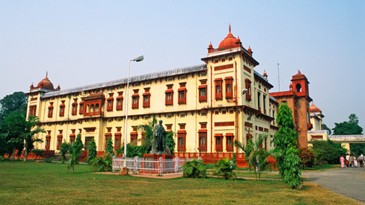
When exploring a city with a legacy as rich as Patna's, its museum naturally becomes a window into centuries of history and culture. The Patna Museum, the oldest in Bihar, stands as a testament to the region's extraordinary heritage.
Established in 1917, and located near the Indira Gandhi Planetarium, the museum offers an enriching journey through time. Its extensive collection spans the Mauryan and Gupta empires, as well as the Buddhist legacy of the Gandhara region—making it an essential destination for history enthusiasts and art lovers alike.
One of the museum's most iconic exhibits is the Didarganj Yakshi, a striking 3rd-century BC sandstone sculpture known for its remarkable polish and craftsmanship. The museum also showcases an impressive variety of art and artefacts, including Chinese artworks, Tibetan Thangka paintings, and archaeological treasures from across the region.
In addition to ancient artefacts, the museum houses an engaging natural history section, featuring preserved animal specimens and a 200-million-year-old fossilised tree, offering a glimpse into prehistoric times.
With its diverse and well-curated collection, the Patna Museum not only preserves the past but also brings it vividly to life.
Takht Sri Harmandir Sahib: The Spiritual Heart of Sikhism in Eastern India
India is home to countless revered spiritual landmarks, each resonating with centuries of devotion and history. Among them, the Panj Takht—the "Five Thrones" of Sikhism—hold unparalleled religious significance. These five sacred Gurudwaras represent the spiritual and temporal authority in Sikhism, and visiting all of them is considered a cherished pilgrimage for every devout Sikh.
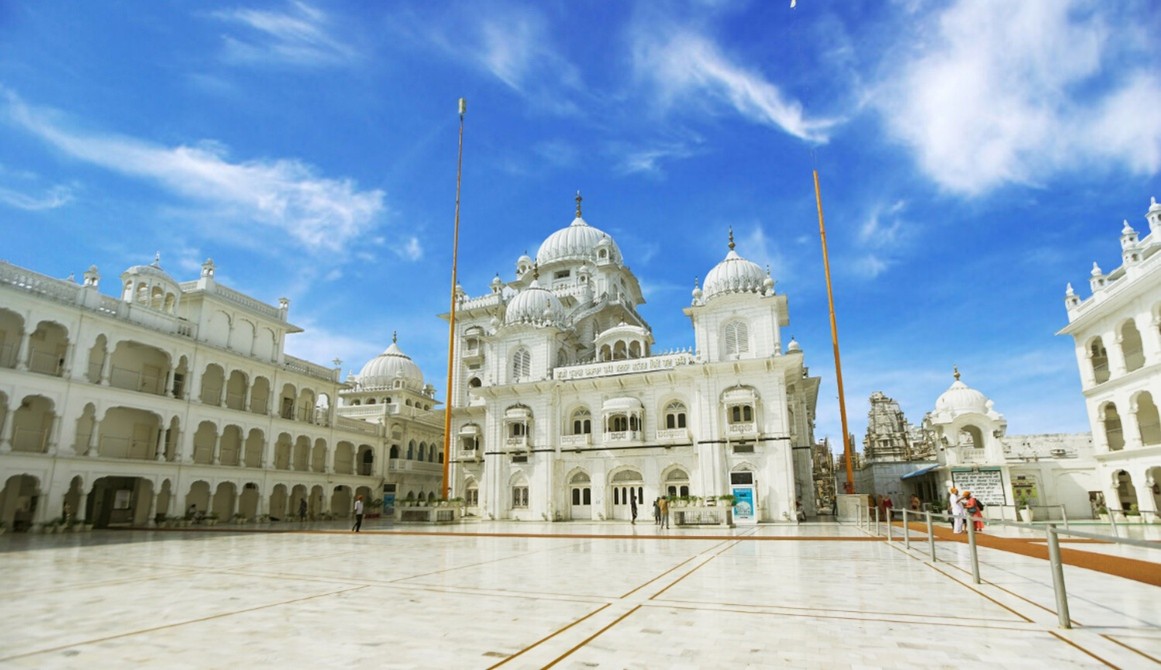
Nestled in the historic city of Patna is one such revered seat—Takht Sri Harmandir Sahib, also known as Patna Sahib. This sacred site holds a unique place in the hearts of millions as the birthplace of Sri Guru Gobind Singh Ji Maharaj, the tenth Sikh Guru. His life, marked by immense courage, wisdom, and unwavering devotion, continues to inspire generations around the world.
Clad in pristine white marble, the Gurudwara exudes an aura of serenity and devotion. The sanctity of the place is further enhanced by its association with three Sikh Gurus, making it one of the most spiritually resonant sites in Sikh history.
Commissioned in the early 19th century by Maharaja Ranjit Singh, the first Maharaja of the Sikh Empire, the Takht has withstood the test of time—standing tall as a beacon of faith, resilience, and tradition. Today, it continues to draw devotees from across the globe who come to pay homage and immerse themselves in its divine atmosphere.
Takht Sri Patna Sahib is not just a monument—it's a living embodiment of Sikh heritage and a must-visit spiritual destination in Eastern India.
Gandhi Smarak Sangrahalya: Honoring the Legacy of a Revered Leader
A symbol of peace, non-violence, and determination—Mahatma Gandhi, the Father of the Nation, remains one of the most iconic figures in India's journey to independence. While his image is familiar to all, featured on currency and in countless books, the deeper narratives of his life and leadership come alive in only a few places across the country.
One such place is the Gandhi Smarak Sangrahalya in Patna—a museum dedicated to preserving and showcasing the life and legacy of Mahatma Gandhi.
Established in 1967, this museum offers a rare and immersive experience through a thoughtfully curated collection of personal artefacts, historical documents, photographs, and interactive exhibits. As you walk through its peaceful halls, you embark on a journey tracing Gandhiji's transformative path—from his early years to his pivotal role in India's freedom struggle.
More than just a museum, the Gandhi Smarak Sangrahalya stands as a living tribute to the ideals of truth, simplicity, and resilience that Gandhiji championed. It invites visitors to reflect on his philosophies and their enduring relevance in today's world.
Step inside, and witness history through the lens of the man who led a nation with compassion and conviction.

Kamaldah Jain Temple: Unveiling the Mystique of Ancient Jainism
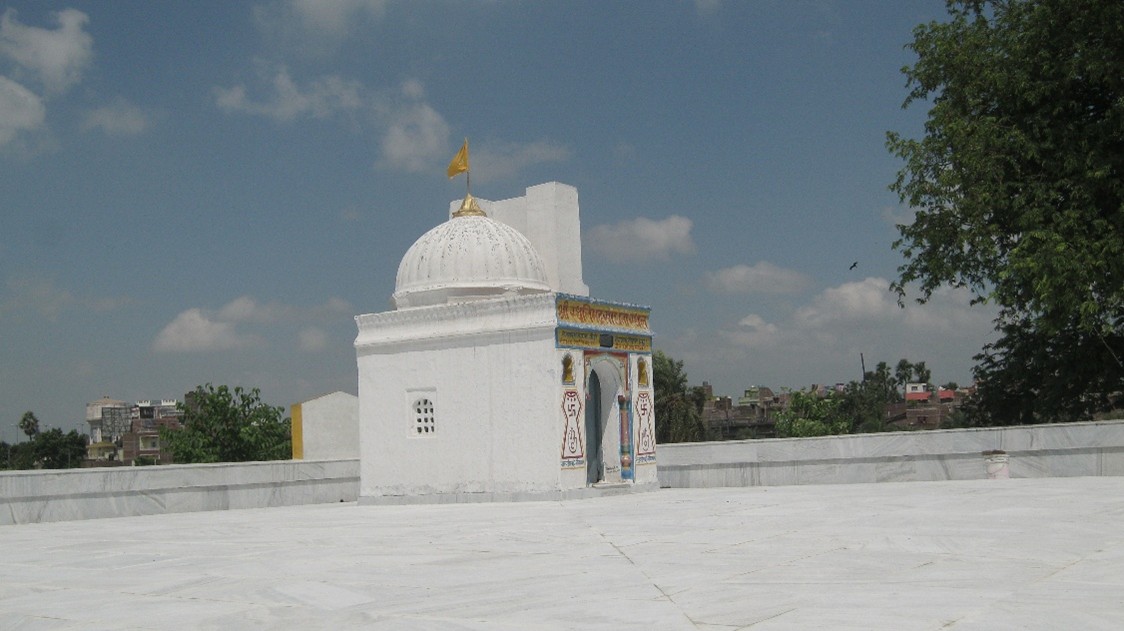
The Kamaldah Jain Temple, nestled in the historic city of Patna, Bihar, stands as a remarkable testament to the spiritual and cultural legacy of Jainism. As one of the oldest Jain temples in the region, it holds profound significance for devotees and offers a captivating window into centuries of religious tradition and architectural heritage.
Located near the Gulzarbagh Railway Station, this revered site is believed to be where the esteemed Jain teacher Acharya Sthulabhadra once imparted his teachings. Today, the temple forms an integral part of Bihar's Jain circuit, drawing pilgrims and history enthusiasts alike.
With its serene atmosphere and deep-rooted spiritual importance, Kamaldah Jain Temple continues to embody the timeless essence of Jain philosophy and devotion.
Sanjay Gandhi Biological Park: One of the Largest Zoos in the Country
Tucked within the bustling heart of Patna lies a lush urban sanctuary that invites nature lovers and curious minds alike—the Sanjay Gandhi Biological Park, more affectionately known as Patna Zoo. Spanning an impressive 153 acres, this sprawling green haven is one of the largest zoological parks in India and offers a captivating blend of wildlife, conservation, and recreation.
As you enter the park, a canopy of towering trees lines your path, hinting at the wild wonders that lie ahead. Home to over 338 species of mammals, 355 species of birds, and 471 species of reptiles, the zoo is a vibrant celebration of biodiversity. It also features a well-maintained aquarium showcasing over 30 rare fish species, a snake house with approximately 30 varieties of serpents, and dedicated museums for bats, turtles, and owls.
At the heart of the zoo lies a tranquil central pond, from which several scenic trails fan out, leading visitors through immersive habitats that reflect the natural environments of the resident animals. Along these winding paths, guests can encounter majestic elephants, elegant giraffes, striped zebras, and hippopotamuses lounging contentedly in shaded pools.
Whether you're seeking education, exploration, or a family day out, the Sanjay Gandhi Biological Park offers a rich and unforgettable journey into the marvels of the animal kingdom.


Maner Sharif: A Haven of Spiritual Splendour
Located just outside Patna, Maner Sharif is a revered pilgrimage site known for its spiritual depth and architectural beauty. Home to the shrines of Hazrat Makhdum Yahya Maneri and Makhdum Shah Daulat, the site draws devotees from across India seeking peace and blessings.
Steeped in centuries of devotion, the Bari Dargah and Chhoti Dargah stand as powerful symbols of faith, adorned with intricate carvings, grand domes, and elegant minarets. The Dargah complex, once a hub of learning even in ancient times, reflects a rich tapestry of spiritual heritage and Indo-Islamic artistry.
Surrounded by serene gardens and sacred ambience, Maner Sharif offers a tranquil retreat for reflection, devotion, and reverence.
Srikrishna Science Centre: Where Curiosity Comes Alive
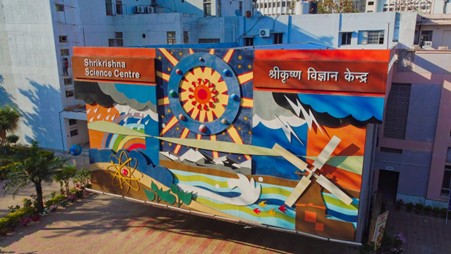
A hub of exploration and innovation, the Srikrishna Science Centre in Patna is a captivating space where science leaps from textbooks into real-world wonder. As Bihar's only regional-level science centre and India's first of its kind, it pays tribute to Bihar's first Chief Minister, Sri Krishna Singh.
Nestled near Gandhi Maidan, this interactive museum is designed to ignite scientific curiosity in visitors of all ages. From rotating windmill prototypes and roaring dinosaur models to a functional sundial and engaging hands-on exhibits, every corner of the centre invites discovery. With its immersive displays and educational programs, the centre transforms learning into an unforgettable adventure—making science not just seen, but truly experienced.

Patan Devi Temple: A Sacred Seat of Shakti
Steeped in divine lore and spiritual resonance, Patan Devi Temple stands as one of India's revered 51 Siddha Shakti Peethas, drawing devotees from across the nation in search of courage, protection, and inner peace. Located in Patna, this ancient temple—renovated most recently in the 18th century—marks the sacred spot where, according to legend, Ma Sati's right leg and cloth fell, sanctifying the site with celestial energy.
Within its tranquil premises are twin sanctums dedicated to Ma Patneshwari (Sati), where stone idols of Mahalakshmi, Mahasaraswati, and Mahakali sit adorned in resplendent saris and crowns. The presence of Vyom Bhairav, an embodiment of Lord Shiva, adds to the temple's spiritual intensity. Devotees gather around the havan kund to offer sindoor, flowers, and prayers in rituals that have endured through the ages.
Patan Devi Temple is more than a place of worship—it's a sanctuary of divine feminine power, where mythology meets devotion, and every visit becomes a transformative spiritual experience.
Around Patna
Nalanda: Echoes of an Enlightened Past
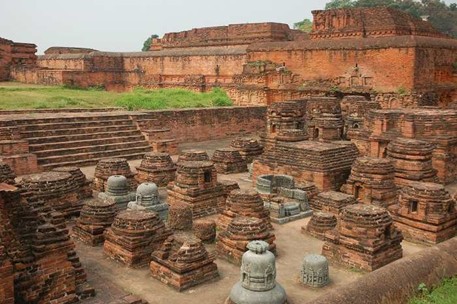
Located in Bihar, Nalanda was once the site of one of the world's greatest centers of learning—Nalanda University, an ancient Buddhist monastic university that flourished from the 5th century CE. Its origins, however, trace back even further, to the time of Lord Buddha in the 5th–6th century BCE. Over the centuries, Nalanda endured invasions and destruction, yet its legacy as a beacon of knowledge and spiritual wisdom endures.
Today, visitors can explore the ruins of the ancient monastery and temples, still standing within protective high walls—an evocative reminder of its scholarly grandeur. The Nalanda Archaeological Museum showcases a remarkable collection of artifacts unearthed from the site, offering insight into its rich intellectual and artistic history. Notable nearby attractions include the Xuanzang Memorial Hall, commemorating the famed Chinese monk-scholar who studied here, the Nalanda Vipassana Centre, and the Nalanda Multimedia Museum.
In a historic revival, Nalanda University was re-established in 2010 and now holds the status of an 'International University of National Importance', continuing its ancient mission of global academic collaboration and enlightenment.

Gaya
Located near the Chota Nagpur Plateau and the Gangetic Plain, Gaya is a prominent tourist and pilgrimage destination in India. Just a short distance from Patna, this sacred city boasts around 45 revered sites. One of the key attractions is the Vishnupad Temple, built in 1787 by Ahalya Bai, a Maratha princess.
Gaya is also known for the scenic hills of Ramsilla and Brahmajini, dotted with ancient rocky temples. The Brahmajini hills, later known as Gayashirsa Hill, are especially significant as the place where Buddha delivered many of his sermons. Nearby, the town of Bodhgaya holds immense spiritual importance as the site where Buddha attained enlightenment.
In Hinduism, Gaya is deeply sanctified as a place for performing the pind-daan ritual, a sacred offering for the salvation of ancestors' souls, attracting devotees from across the country.
Rajgir
Rajgir, meaning "The Royal House," is a city steeped in history and spirituality. It was a favored retreat of great spiritual leaders like Gautam Buddha and Lord Mahavira, making it a significant pilgrimage site for both Jain and Buddhist communities. Its historical roots trace back to the Mauryan era.
Visitors to Rajgir can explore a wealth of ancient and culturally significant sites, including Champanagar, Indasala Cave, Bimbisar's Jail, Jethian, Jain temples, Shanti Stupa, Swarna Bhandar, Pippala Cave, Venuvana, Kundalpur, Jarasandh ka Akhara, the Cyclopean Wall, Pandu Pokhara, and Ghora Katora.
Rajgir is also renowned for its natural beauty and wellness retreats. The hot springs and Amaravana, also known as Jivaka's Mango Garden, offer serene escapes. For panoramic views, you can trek to Griddhakuta (Vultures' Peak) or enjoy a scenic ride on the ropeway, which provides a breathtaking view of the city and its surrounding hills.


Bodh Gaya
This 2,500-year-old city, revered as the birthplace of Buddhism, draws countless pilgrims seeking peace and spiritual insight. It is here that Lord Buddha attained enlightenment under the sacred Bodhi Tree, which still stands as a powerful symbol of serenity and awakening. The sight of monks in saffron and maroon robes chanting and moving between temples and monuments adds to the city's tranquil and spiritual atmosphere.
Bodhgaya also holds significance in Hindu tradition. It is believed that Lord Rama, along with Sita and Lakshman, performed the pind-daan ritual here for their father, King Dasharatha.
Visitors can explore several important sites, including the Mahabodhi Temple, the Great Buddha Statue, Vajrasana, Sujata Garh, and Vishnupad Mandir. Other attractions include the Indosan Nippon Japanese Temple, the Archaeological Survey of India Museum, Barabar Caves, Dungeshwari Caves, and various Buddha statues.
For those interested in deepening their understanding, the local shops offer books on Buddhist philosophy, statues of Lord Buddha, and other souvenirs.
